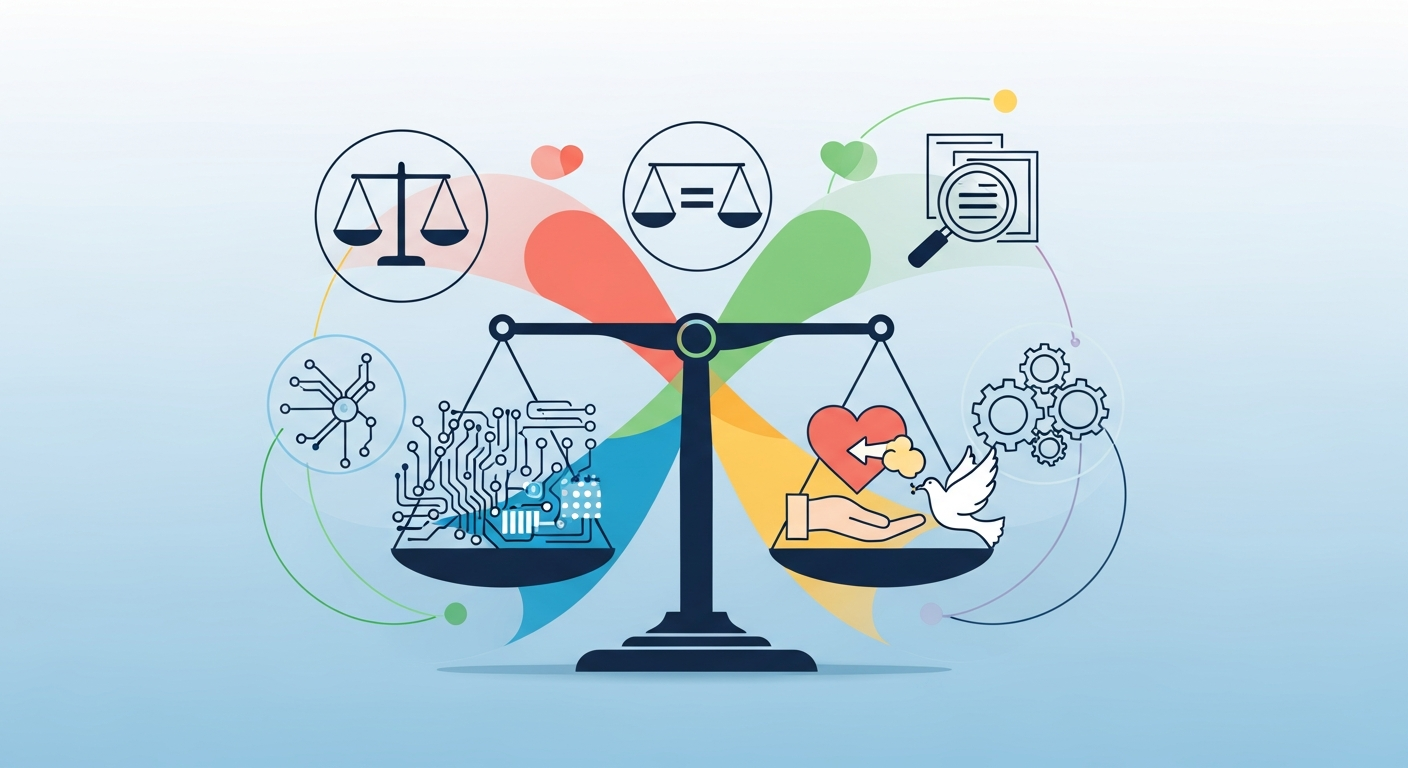
Artificial intelligence (AI) and machine learning have the potential to bring significant benefits to society, including improvements in healthcare, transportation, education, and other areas. However, the development and use of these technologies also raise a number of ethical concerns, including issues related to privacy, bias, accountability, and transparency.
To ensure that AI and machine learning are developed and used in an ethical and responsible manner, it is important to establish clear guidelines and principles that govern their development and use. These ethical guidelines should be based on established ethical principles, such as respect for human rights, fairness, and transparency, and should be designed to address the specific ethical challenges and risks that arise in the context of AI and machine learning.
In this context, it is important for organizations and individuals involved in the development and use of AI and machine learning to consider a range of ethical issues, including how to protect the privacy of individuals, how to ensure that these technologies are transparent and accountable, and how to address potential biases that may arise. By establishing clear ethical guidelines and incorporating these considerations into the design and development process, organizations and individuals can help to ensure that AI and machine learning are used in a way that is ethical and responsible, and that maximizes their potential benefits to society.

There are several steps that organizations and individuals can take to address the ethical issues that can arise in the development and use of artificial intelligence (AI) and machine learning:
In conclusion, the ethical issues that can arise in the development and use of artificial intelligence (AI) and machine learning are complex and multifaceted. Ensuring that these technologies are developed and used in an ethical and responsible manner requires a comprehensive approach that involves establishing clear ethical guidelines, incorporating ethical considerations into the design and development process, educating stakeholders about the ethical implications of these technologies, and continuously monitoring and evaluating their use.
By taking these steps, organizations and individuals can help to ensure that AI and machine learning are used in a way that maximizes their potential benefits to society, while also addressing the ethical challenges and risks that these technologies present. Ultimately, the ethical use of AI and machine learning requires ongoing attention, dialogue, and collaboration, and requires all stakeholders to be committed to upholding ethical principles and values in the development and use of these technologies.